






Corporate meeting minutes are the official written record of a company meeting. When learning how to write corporate meeting minutes, the main goal is to record who attended, what the board or management team discussed, what decisions were made, and what actions need to happen next.
Meeting minutes should not include every word that was said. They should be simple, clear, and based on facts. The goal is to give directors, shareholders, executives, and other approved readers a reliable record of the company’s decisions.
Corporate board meeting minutes may also become part of the company’s official records. The rules can vary depending on where the company is registered, its bylaws, and the type of meeting. If the minutes could have legal effects, check the rules that apply to your company or speak with a qualified legal professional.
What are corporate meeting minutes?

Corporate meeting minutes are written records of meetings held by a company’s board, shareholders, committees, officers, or management team.
They usually include:
- The company name
- The type of meeting
- The date, time, and place
- The names of directors, officers, guests, and advisers who attended
- Whether enough members were present to hold the meeting
- Approval of the last meeting’s minutes
- Topics discussed
- Motions, decisions, and votes
- Action items and next steps
- The time the meeting ended
Corporate meeting minutes usually need to be more detailed than notes from a normal staff meeting, for example, which can be more of an informal summarization of the meeting. A board may make important decisions about a variety of topics important to the organization, including budgets, executive pay, funding, contracts, company rules, business plans, shares, company purchases, or other matters that need an official record under regulations like the Sarbanes-Oxley Act.
Why corporate meeting minutes matter
Corporate meeting minutes create a clear record of the company’s decisions. They show that directors met, reviewed important information, discussed key points, and made decisions.
They can also help:
- Keep directors and officers informed
- Record votes and decisions
- Track approved actions
- Help with future board discussions
- Update directors who could not attend
- Keep company records complete
- Show when and how decisions were made
For board meetings, minutes should include the main points without recording every presentation or comment. They should usually note who attended, what information was reviewed, the main topics discussed, the decisions made, and any next steps.
How to Write Corporate Meeting Minutes

Writing clear corporate meeting minutes is easier when you follow a simple process. The steps below explain what to do before, during, and after the meeting. They also help you create minutes that are clear, useful, and easy to review later.
1. Prepare before the meeting
Good corporate minutes start before the meeting begins. The person taking the minutes should review the agenda, read the main meeting documents, and understand what decisions may need to be made.
Set up the meeting minutes template before the meeting. Add the meeting details and agenda headings so you can place your notes under the right sections. Always starting with a template is a good note-taking method in general.
Before the meeting, confirm the:
- company’s full legal name
- type of meeting
- date, start time, and location
- whether the meeting is in person, online, or both
- expected attendees
- chairperson
- secretary or person taking the minutes
- agenda
- resolutions that may be discussed
- important supporting documents
For online or hybrid meetings, record how each director attended, such as in person, by video, or by phone.
2. Start with the basic meeting details
The first section of the minutes should include the main facts about the meeting.
Record the company’s legal name, the type of meeting, the date, time, and location. For an online meeting, you can also include the platform used. Then list the directors, officers, guests, advisers, and other people who attended.
For a board meeting, state whether a quorum was present. A quorum is the minimum number of directors who must be present for the board to make official decisions.
You may also need to record:
- Who opened the meeting
- The time the meeting started
- Whether proper notice was given or waived
- Whether the minutes from the last meeting were approved or changed
Keep this section short and based on facts.
3. Follow the agenda
A simple way to write corporate meeting minutes is to follow the meeting agenda in order. Create a heading for each agenda item before the meeting, then add the main notes and result under each heading.
For each item, record:
- The topic discussed
- The main information reviewed
- Important questions or issues
- Any officers, experts, or advisers who gave information
- The final decision
- The vote or resolution, if needed
- Any next steps
Instead of recording every comment or naming every person who spoke, focus on the main discussion and the final decision.
Instead of writing:
“The directors discussed the proposed budget in detail. Several directors asked questions about marketing spend, hiring plans, and cash flow. The CFO explained the assumptions used in the forecast.”
You can write:
“The Board reviewed the proposed annual budget and financial forecast presented by the Chief Financial Officer. After discussion, the Board approved the budget for the 2027 financial year.”
This records the main topic, the discussion, and the decision without including too much detail.
4. Record decisions and votes clearly
Corporate board minutes should clearly state what the board decided. If the board approves a formal resolution, include the wording in the minutes or attach the resolution if needed.
Record:
- The motion or resolution
- Who made the motion, if required
- Who seconded it, if required
- The result of the vote
- Any abstentions or votes against
- Any conflicts of interest
- The final decision
For example:
“The Board approved the appointment of Jordan Lee as Chief Financial Officer, effective June 1, 2027.”
Or:
“The Board unanimously approved the proposed share option grant under the terms presented.”
Make sure to use clear wording. Instead of writing, “The Board discussed and agreed,” explain exactly what the Board approved or decided to do, like “The Board approved XYZ” or “The Board decided ABC.”

5. Record conflicts of interest
If a director has a conflict of interest, the minutes should record it. In some cases, the director may need to leave the discussion or not take part in the vote.
The minutes should include:
- The director’s name
- The type of conflict
- Whether the director left the meeting or did not vote
- Whether the other directors approved the decision
Do not include private details that are not needed. Record only enough information to show that the conflict was reported and handled correctly.
6. Use neutral and simple language
Corporate minutes should be factual and neutral. Avoid personal opinions, emotional words, guesses, or informal comments.
Do not write:
“The Board strongly criticized the poor work of the sales team.”
Write:
“The Board reviewed the sales performance report and discussed the need for an updated sales plan.”
The second version explains what happened without adding opinion or blame.
Use the same writing style throughout the minutes. Short and complete sentences are usually easier to read.
7. List action items clearly
Minutes should record decisions, but they should also make the next steps easy to find. Add a separate section for action items near the end of the document.
Each action item should include:
- The task
- The person responsible
- The due date
- Any important details
For example:
- “The Chief Financial Officer will send the updated cash flow forecast to the Board by June 14.
- The Corporate Secretary will save the approved resolution in the company records.
- The Chair will arrange a special Board meeting to review the acquisition proposal.”
A separate action list makes it easier for directors and officers to see what they need to do next.
8. Review the minutes soon after the meeting
Review the draft soon after the meeting ends. This makes it easier to remember the discussion and find anything that is missing or unclear.
Check that the minutes include:
- Correct names and job titles
- Correct attendance details
- The meeting date, time, and location
- A clear note about quorum
- Correct resolution wording
- Correct voting results
- Clear action owners and deadlines
- References to important documents, if needed
- The time the meeting ended
The chairperson, corporate secretary, legal adviser, or another approved person may need to review the draft before it is shared or approved.
9. Approve and store the final minutes
Meeting minutes are often approved at the next board or shareholder meeting. The group may approve them as written or approve them after making changes.
After approval, save the final minutes in the company’s official records. Keep important resolutions, presentations, and other meeting documents with the minutes when needed.
You should never keep the only copy of board minutes in a personal email account or on one person’s computer. Authorized directors and company officers should be able to find the final record when they need it.
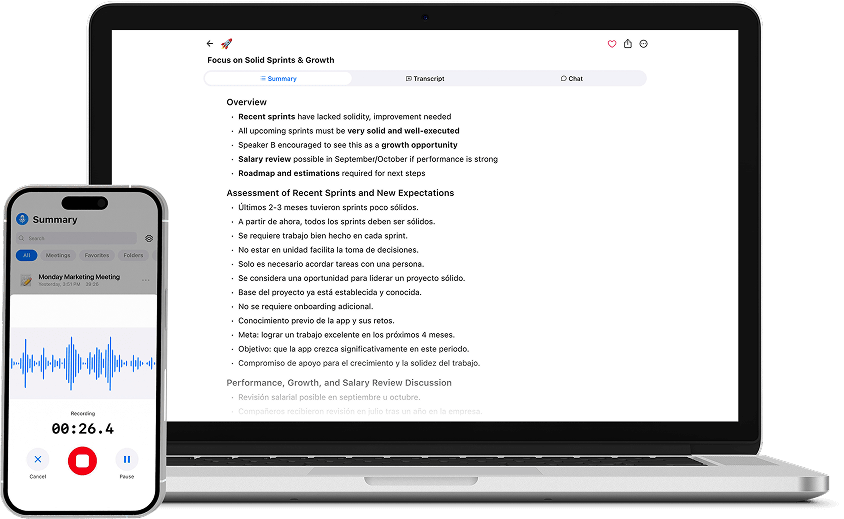
Transcribe corporate meeting minutes with Summary AI
Knowing how to write corporate meeting minutes helps you create a clear and useful record of company decisions. Keep the minutes simple, factual, and focused on key discussions, votes, decisions, and next steps. Tools like Summary AI’s AI Note Taker can also make the process easier by helping you organize meeting information and prepare a clear draft more quickly.