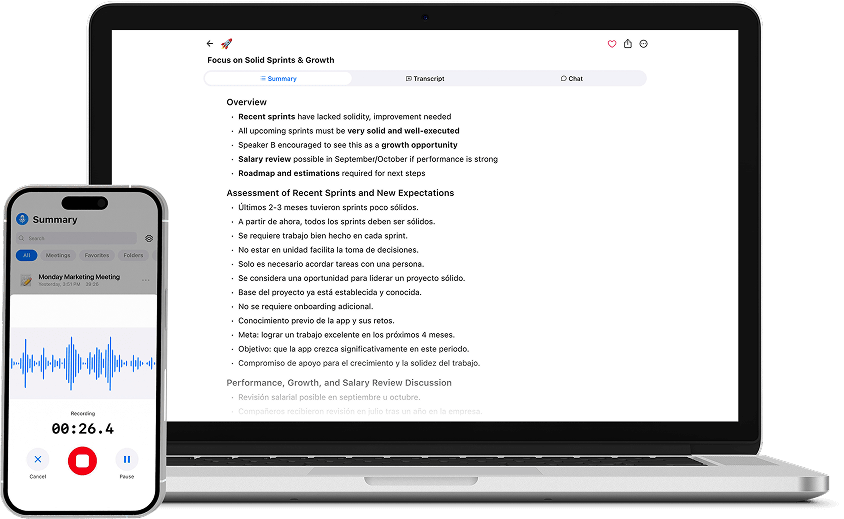








A board meeting is a formal meeting where an organization’s directors or trustees make decisions and oversee its work. The board of directors may review aspects of the organization like its finances, performance, risks, plans, and other important matters that fall within the board’s authority.
The exact rules of a board meeting depend on the organization’s governing documents and the laws that apply to it. These rules usually cover everything from notice periods and who can attend and vote to the minimum number of members needed to make decisions (known as a quorum), and how decisions need to be recorded.
To run a board meeting well you need to prepare for it. This includes sending participants a clear agenda and relevant documents in advance, confirming that a quorum will be present, and making sure the meeting has a chair. The board meeting minutes should record the meeting details, attendees, decisions, votes where needed, and agreed next steps.
This guide explains what a board meeting is and how to prepare for and run one. It takes many concepts from “Robert’s Rules of Order,” a well-known guide on parliamentary procedure.
What Is a Board Meeting?

A board meeting is a formal meeting of an organization’s directors or trustees. The board meets to review important information and discuss major issues, and make decisions for the organization.
The board’s job is to provide guidance and oversee the organization, approving major plans and making sure people in leadership positions are doing their jobs well.
In simple terms, board meetings help an organization stay focused on its goals and responsibilities. The meeting is usually led by the board chair, and someone records the main decisions and actions in the board meeting minutes, which is a way to take notes at meetings.
A typical board meeting may include:
- Approving the agenda
- Reviewing financial reports, budgets, and performance updates
- Hearing reports from the CEO, executive director, committees, or other leaders
- Discussing major risks, goals, and policy issues
- Following up on unfinished work from earlier meetings
- Reviewing new proposals and making decisions
- Agreeing on action items, responsible people, and due dates
Types of Board Meetings
There are different types of board meetings. Your bylaws or other governing documents may explain when each meeting can be held and how it should be run.
Regular board meeting
Regular board meetings take place on a set schedule, such as every month, every two months, or every three months. The board uses these meetings to review reports, make decisions, track progress, and discuss future plans.
Annual board meeting
Annual board meetings usually happen once a year. The board may look back at the past year, elect officers, approve big plans, and set goals for the year ahead.
Special board meeting
Special board meetings take place outside the normal meeting schedule. They are called when the board needs to discuss or decide on a specific issue, such as approving a major contract or dealing with an unexpected risk.
Emergency board meeting
As the name suggests, emergency board meetings are for urgent issues that cannot wait until the next regular meeting. The organization’s rules may explain who can call an emergency meeting, how much notice members need, and what topics the board can discuss.
Executive session
Executive sessions are private parts of a board meeting. The board may use them to discuss sensitive matters, such as legal advice, staff performance, pay, contracts, or conflicts of interest. Who can attend depends on the organization’s rules and the reason for the session.
Committee meeting
Committee meetings are smaller meetings for groups that focus on a specific area, such as finance, audit, governance, fundraising, or compensation. Committees often review information in detail and then give advice or recommendations to the full board.
Advisory board meeting
Advisory board meetings are often less formal than meetings of a board of directors. An advisory board may share advice and discuss ideas, it may not have the same legal authority or responsibilities as a formal governing board.
How to Prepare for a Board Meeting

Good board meetings require plenty of preparation.
First of all, send the meeting agenda and other materials early enough for everyone to review them, that way the meeting can be used to discuss the issues and not to read. Your bylaws may set a deadline. Many organizations send these materials several days before the meeting.
1. Prepare the Agenda
A board meeting agenda is a plan for the meeting. It lists the topics the board will discuss, how much time each topic should take, and which items need a decision.
A clear agenda helps the chair keep the meeting focused. It also helps board members prepare and makes sure important topics are not missed.
Your agenda may include:
- Call to order
- Roll call and quorum check
- Approval of the agenda
- Approval of previous meeting minutes
- Consent agenda
- Financial report
- Committee reports
- Old business
- New business
- Motions, votes, and resolutions
- Executive session, if needed
- Review of action items
- Date of the next meeting
- Adjournment
A consent agenda is a group of routine items that the board approves with one vote. It may include previous meeting minutes, regular reports, or small updates that do not need discussion.
Any board member can usually ask for an item to be removed from the consent agenda. The board can then discuss and vote on that item separately.
Do not use most of the meeting for updates that board members can read before the meeting. Give more time to questions, decisions, risks, and future plans.
2. Confirm Attendees
Before the meeting, confirm who will attend. This includes board members, officers, the CEO or executive director, committee chairs, staff members, legal advisers, auditors, and guests that you invite.
You should also check whether enough voting board members will attend to reach a quorum. A quorum is the minimum number of directors who must be present for the board to make official decisions.
Your bylaws or local law should explain how quorum works at your organisation. For example, some organizations require more than half of the current directors to be present. If there is no quorum, the board cannot pass binding motions or take official action.
3. Review Meeting Materials
The board packet should give members the information they need to make informed decisions. Keep it clear, brief, and linked to the agenda.
A useful board packet may include:
- The meeting agenda
- Draft minutes from the last meeting
- Financial statements
- Budget updates
- CEO or executive director reports
- Committee reports
- Background information for proposed motions
- Draft policies or resolutions
- Dashboards with key figures
- A list of decisions the board needs to make
Ask the members of the board to read all of the documents before the meeting.
The chair can also send a short email with an executive summary that highlights the most important decisions and questions. To learn how to write one, look at these executive summary examples for inspiration.
How to Run a Board Meeting

Now that you know how to prepare for a board meeting, lets take a look at the procedure of running one. To run a great board meeting, the chair should set the tone, follow the agenda, make space for discussion, and keep the group focused on the job.
The chairman does not need to do all the talking. The main role of the chair is to guide the conversation, make sure each member has a chance to speak, and call for votes when needed.
How board meetings are conducted depends on the organization’s governing rules.
Here is a basic outline for how a board meeting works that you can adapt to your own organization:
1. Call the meeting to order
The chair opens the meeting at the scheduled time.
Example:
“The meeting is called to order at 6:00 p.m.”
2. Confirm a quorum
The secretary or chair checks that enough voting directors are present.
Example:
“We have a quorum, so we can conduct official business.”
3. Approve the agenda
The chair asks whether members want to change any items on the agenda or whether they want to add or remove any. The board then approves the agenda.
4. Approve past minutes
Members review the draft minutes from the last meeting. The chair asks for corrections and then records that the minutes were approved as written or approved with changes.
5. Work through reports and key agenda items
Keep reports short. Ask presenters to focus on what the board needs to know, what decisions are needed, and what risks or opportunities need attention.
6. Discuss old business
Old business covers items left open from earlier meetings. Review progress, remove roadblocks, and decide whether more action is needed.
7. Discuss new business
New business may include new plans, spending requests, policies, contracts, goals, or resolutions.
8. Make and vote on motions
When the board needs to take formal action, a director makes a motion. Another director may second it if your rules require one. The chair allows discussion, then calls for a vote.
9. Review action items
Before closing, state who owns each task, what they need to do, and when it is due.
10. Adjourn the meeting
The chair ends the meeting and notes the time.

Transcribe Board Meetings With Summary AI
Board meetings can include important decisions, financial updates, and follow-up tasks. It can be hard to take clear notes while listening to the discussion.
AI transcription tools like Summary AI can turn a meeting recording into a transcript and organized notes. This can help you create a first draft of the meeting minutes.
You can use it to:
- Transcribe the meeting
- Find key decisions and motions
- List action items and due dates
- Summarize discussions
- Create follow-up notes
- Search past meetings