

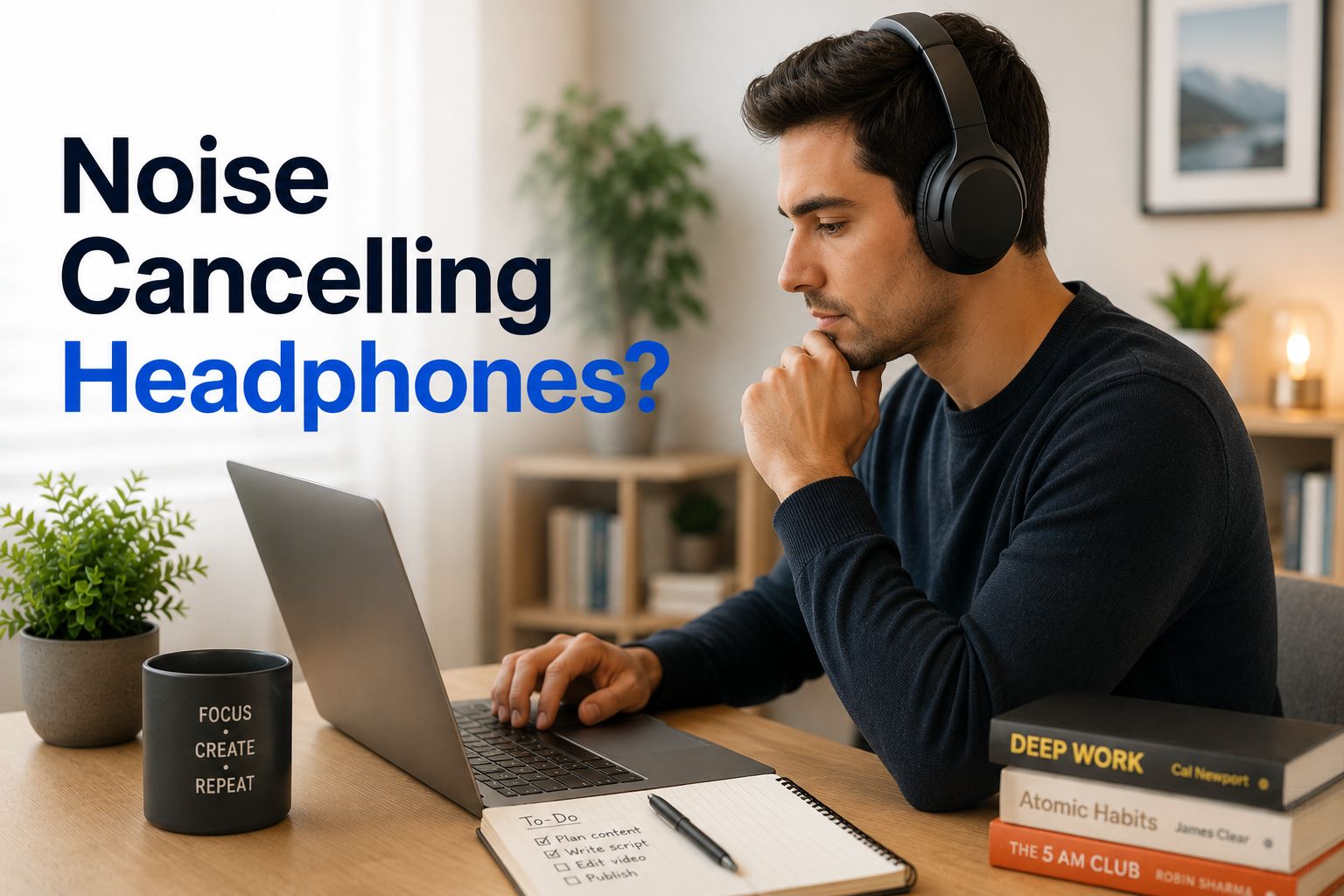


Active Noise Cancellation (ANC) is the technology behind noise canceling headphones and earbuds. It helps reduce unwanted background noise, making it easier to enjoy music, podcasts, videos, and phone calls, whether you’re traveling, working, studying, or commuting.
But ANC doesn’t block every sound, and it works better canceling some types of noise than others. In this article, we’ll explain how Active Noise Cancellation works, what it can and can’t do, and what to expect from noise-canceling headphones.
What Does Active Noise Cancellation Mean?
Active Noise Cancellation means headphones using sound to make outside noise quieter.
The science behind ANC is complicated. Sound moves in waves. ANC headphones use microphones to pick up sounds around you. Then, the headphones create an opposite sound wave. This is sometimes called “anti-noise.”
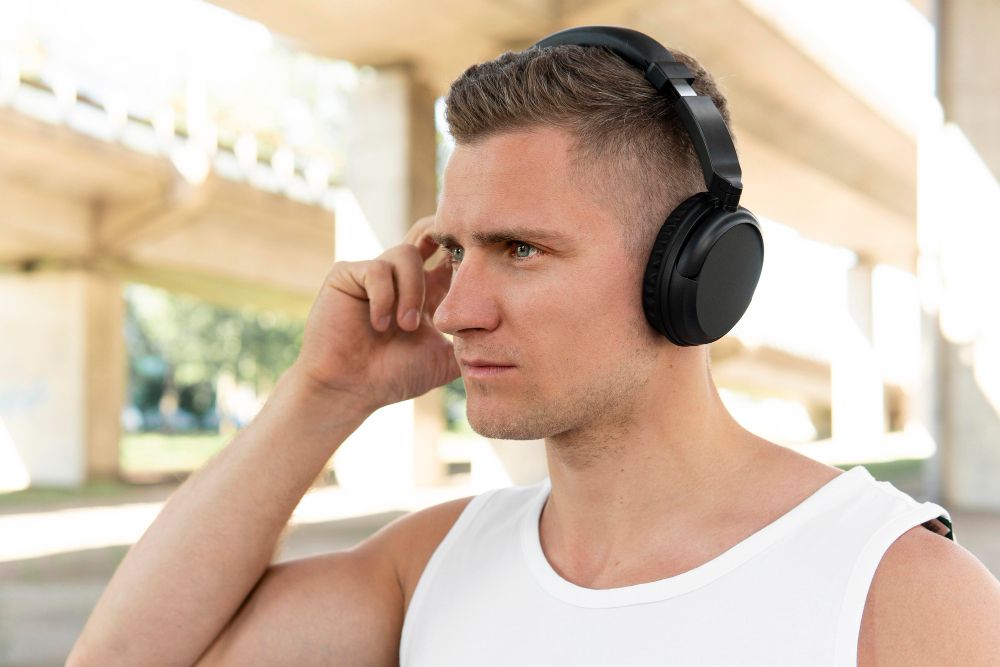
When the outside sound and the anti-noise meet, they can partly cancel each other out. This lowers the noise you hear.
For example, think about sitting on an airplane. The engine makes a low humming sound. ANC headphones pick up this hum through their microphones. Then, they make an opposite sound to lower it. The engine noise does not fully disappear, but it becomes much quieter.
Active Noise Cancelation is “active” because it needs battery power, that is, it uses microphones, a small chip, and speakers that are powered by batteries.
ANC is different from passive noise isolation. Passive noise isolation does not use batteries or electronics. It does not need power. Passive noise isolation blocks sound through the shape and materials of the headphones themselves.
For example:
- Thick over-ear headphone cushions can block some outside sound.
- Soft ear tips on earbuds can block sound by sealing your ear canal.
- A good fit can help keep more noise out.
Many good noise-canceling headphones use both ANC and passive noise isolation.
How Does ANC Work?
ANC checks outside sounds many times every second and changes the anti-noise signal as needed.
Here is how it works step by step:
- Microphones listen to outside noise. Small microphones on or inside the headphones pick up sounds around you.
- A chip studies the sound. A small chip inside the headphones looks at the outside noise and its sound waves.
- The headphones create anti-noise. The chip creates an opposite version of the outside sound.
- The speakers play the anti-noise. The headphones play this sound along with your music, call, or other audio.
- The noise becomes quieter. The outside noise and anti-noise meet near your ears. This helps lower the sound you hear.
This process happens so quickly that you usually do not notice it.
Related article: How to Take Meeting Notes
What sounds does ANC block best?
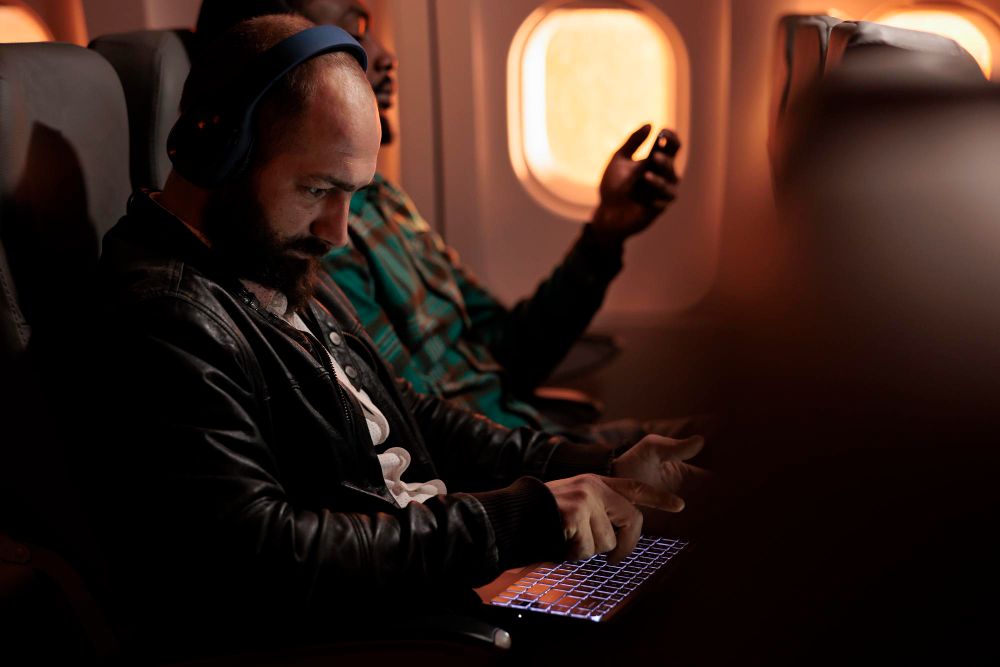
ANC works best on sounds that are low and steady. These sounds are easier for the headphones to track and lower.
ANC often works well against sounds like airplane engine noise, train and bus noise, air conditioners and fans, etc.
ANC may not work as well against sounds that change quickly or have a high pitch.
These may include people talking close to you, babies crying, and dogs barking
ANC can still make some of these sounds less noticeable, especially when the headphones fit well. But it usually cannot remove them fully.
Different types of ANC
Some headphones use microphones on the outside. These microphones register noise before it reaches your ears.
Other headphones use microphones inside the earcups or earbuds. These microphones listen to the sound closer to your ears.
Some higher-end headphones use both types of noise reduction. This is called hybrid ANC. It can help the headphones lower more kinds of noise.
What Are Noise-Canceling Headphones?
Noise-canceling headphones are headphones that help lower outside sounds.
The name can mean headphones that physically block noise, headphones with active noise cancellation, or headphones that do both.
Some headphones may say they offer “noise isolation” but do not have ANC. They may still block some sound, but they do it through passive noise canceling and their design and fit, not with microphones and anti-noise.
Types of noise-canceling headphones
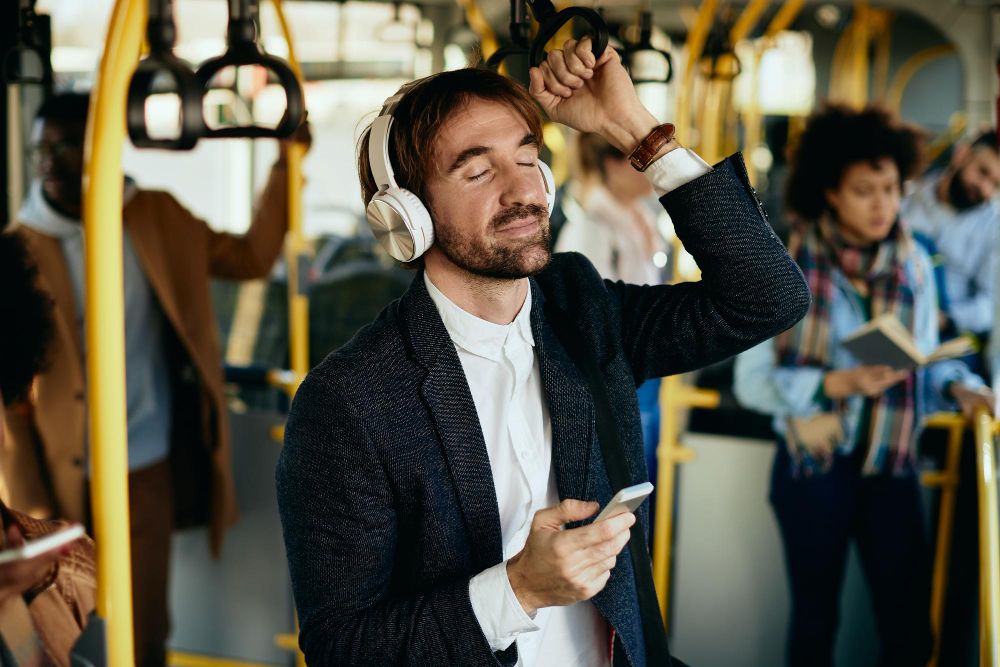
You can find noise-canceling headphones in several styles.
Over-ear headphones cover your whole ear. They often block more outside sound because the earcups sit around your ears. They are a popular choice for travel, working from home, and long listening sessions.
On-ear headphones sit on your ears. They are often smaller and lighter than over-ear headphones. However, they may block less outside sound because they do not fully cover your ears.
Noise-canceling earbuds sit in your ear or ear canal. They are small, easy to carry, and useful for commuting, walking, exercising, and everyday use. A good ear tip seal can help block a lot of sound. Even AirPods have noise canceling available, so if you have them connect your AirPods and enjoy the silence.
Wired noise-canceling headphones connect with a cable. Some still need battery power for ANC.
Wireless noise-canceling headphones use Bluetooth to connect to your phone, computer, tablet, or other device. Most ANC headphones and earbuds today are wireless.
Related article: How to Make a Summary
How Do Noise-Canceling Headphones Work?
Noise-canceling headphones usually work in two ways at the same time.
First, they block some sound with their physical design. Over-ear headphones use earcups and soft cushions. Earbuds use ear tips that fit inside your ears. This is passive noise isolation.
Second, ANC uses microphones and anti-noise to lower more of the outside sound. This is active noise cancellation.
Together, these features can make loud places feel much quieter.
The quality of ANC can change from one product to another. Better headphones usually have better microphones and faster processing. All of these things can help lower more noise.
Do noise-canceling headphones work without music?

Yes. You can turn on ANC without playing music. This can be helpful if you want some quiet while working, reading, traveling, or resting.
For example, you may use ANC on a flight even if you do not want to listen to anything. It can help lower the engine hum and make the trip feel less tiring.
Still, ANC does not create complete silence. You will likely hear some sounds around you, especially voices and sudden noises.
Related article: How to Transcribe Audio to Text
Do noise-canceling headphones protect hearing?
Noise-canceling headphones may help protect your hearing because they can help you listen at a lower volume.
In loud places, people often turn up their music to cover the noise around them. Doing this often can put stress on your hearing.
ANC lowers background noise, so you may not need to turn up the volume as much. This can be useful on planes, public transport, and busy streets.
You should keep your headphone volume at a safe level. ANC can help, but loud music can still hurt your hearing over time.
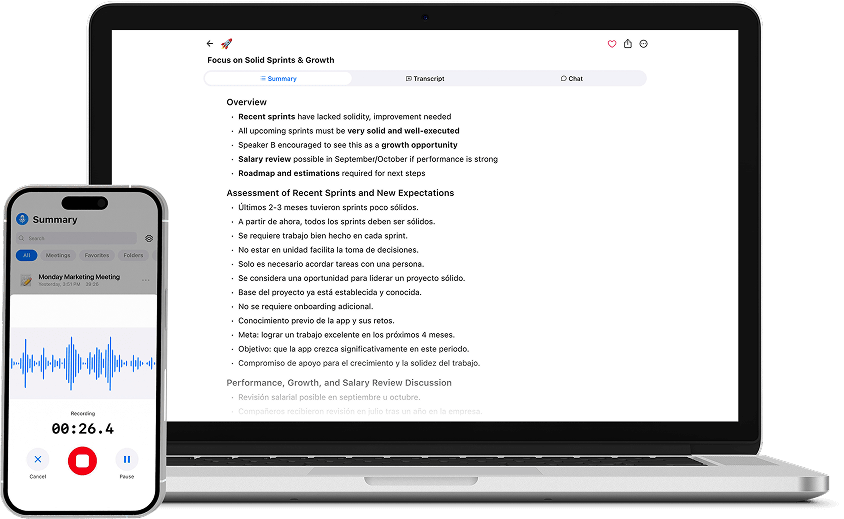
Transcribe your meetings with Summary AI
Active Noise Cancellation, or ANC, uses microphones and opposite sound waves to make background noise quieter. It works best against steady sounds like airplane engines, road noise, fans, and air conditioners. ANC can make travel, work, calls, and studying more comfortable while helping you avoid turning up your volume too high.
For online meetings, pair noise-canceling headphones with an AI note taker like Summary AI. Your headphones can cut down distractions while Summary AI captures key points, meeting notes, and action items, so you can focus on the conversation.